Key Highlights
- Sea turtle nesting season in Phuket runs from November to February, with hatchling releases from January through April
- Main sea turtle nesting sites in Phuket include Mai Khao Beach, Layan Beach, and Naiyang Beach in the northern region
- Green sea turtle nesting and olive ridley turtle conservation efforts are active across multiple organizations in Phuket
- Public turtle release events are organized by the Mai Khao Marine Turtle Foundation, Laguna Phuket, and Turtle Conservation Group Phuket
- Responsible viewing requires joining official programs, avoiding flash photography, and maintaining distance from turtles
- Deevana Patong Resort & Spa offers convenient access to northern Phuket beaches and conservation sites
Every year between November and April, something extraordinary happens on the quiet beaches of northern Phuket. Adult sea turtles crawl ashore under the cover of darkness to lay their eggs, and weeks later, tiny hatchlings make their way to the ocean for the first time. Sea turtle nesting season draws nature lovers and curious travelers hoping to witness these conservation efforts up close. Phuket is known for its beaches and island adventures, but it is also home to one of Thailand’s most meaningful wildlife experiences. This guide covers everything you need to know about sea turtle nesting in Phuket, from the best times to visit and where to find nesting sites, to how you can participate responsibly. If you are staying at a Resort patong beach, the northern beaches where turtles nest are just a day trip away.
Everything You Need To Know To Plan Your Trip
When is sea turtle nesting season in Phuket? The answer is November through February. During these months, adult sea turtles return to the same beaches where they were born to lay their eggs under the protection of conservation teams.
Key Facts About Nesting Season:
- Adult turtles come ashore at night to dig nests and lay eggs on protected beaches
- Mai Khao Beach and Layan Beach are the primary sea turtle nesting sites in Phuket
- Nesting is most commonly observed on less-developed beaches in northern Phuket
- Conservation teams monitor nesting sites and often restrict public access to protect the animals
- Green sea turtle nesting is observed alongside olive ridley turtles, both of which are endangered species
Important Tips Visitors Should Know:
- Nesting turtles should never be touched or approached closely
- Flash photography is strictly prohibited as it disorients the animals
- Viewing is only permitted when accompanied by trained conservation staff or volunteers
- Nesting activity depends entirely on natural conditions and cannot be guaranteed
Understanding when is sea turtle nesting season helps travelers plan trips that align with these meaningful wildlife events. The months of November, December, January, and February offer the best opportunities to learn about nesting activity at protected sites.
Sea Turtle Hatchling and Release Season
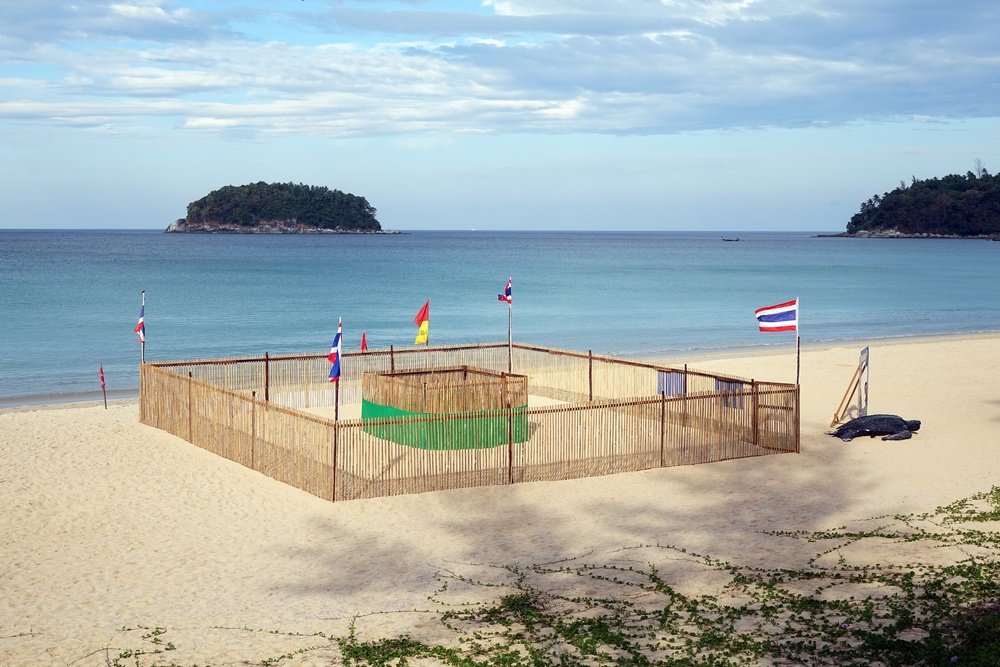
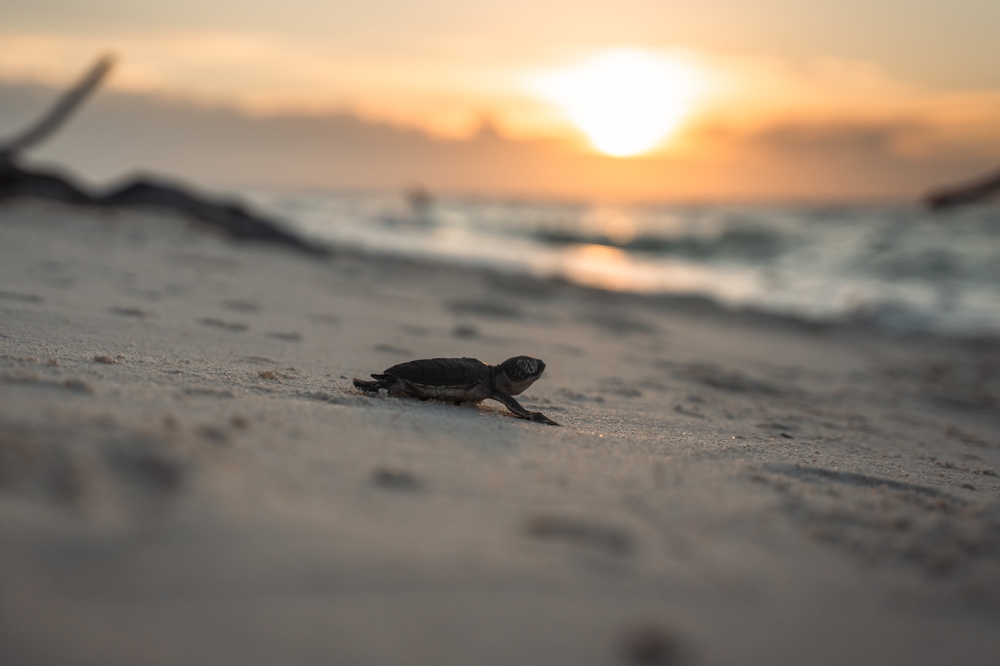
After an incubation period of approximately 45 to 60 days, eggs hatch and baby turtles are carefully prepared for release by conservation teams. Turtle release activities typically occur from January through April, depending on when eggs were laid during the nesting season.
What To Expect During Release Season:
- Hatchling releases are organized by conservation groups, local authorities, schools, and hotels
- Events are often scheduled in the early morning or late afternoon when temperatures are cooler
- Some releases are open to the public, while others require advance registration
- Release dates vary each year based on natural hatching conditions
Important note: Visitors should always confirm release schedules locally, as dates change based on when eggs were laid and environmental factors. Contacting conservation organizations directly provides the most accurate information.
How to Experience Turtle Activities Responsibly
Participating in sea turtle nesting and release programs requires following strict guidelines that protect these endangered animals. Responsible tourism ensures that future generations can continue to witness these events.
Best Practices For Ethical Participation:
- Join only officially organized turtle watching or release programs
- Follow all instructions from conservation staff without exception
- Avoid flash photography, loud noises, and physical contact with turtles
- Keep a respectful distance from nesting areas and hatchlings
- Be patient and understand that wildlife experiences depend on nature, not schedules
This approach helps protect endangered sea turtles while allowing visitors to participate in meaningful conservation work. Green sea turtle nesting and olive ridley turtle programs both follow these guidelines to maximize survival rates for hatchlings.
Where to Experience Turtle Releases in Phuket
Several sea turtle nesting sites in Phuket offer public release events and educational programs throughout the season. Key organizations and locations:
- Mai Khao Marine Turtle Foundation (at JW Marriott Phuket): Hosts an annual release around Songkran in April. Participation involves a donation of 8,000 THB per turtle or 5,000 THB per bamboo shark.
- Laguna Phuket (Angsana Laguna Phuket beachfront): Organizes an annual event typically in April. Tickets cost around 4,000 THB for up to four people and include one turtle release plus refreshments.
- Turtle Conservation Group Phuket (Naiyang Beach): Supported by the Tourism Authority of Thailand (TAT), this group released 75 olive ridley turtles in March 2025.
- Phuket Marine Biological Centre: A government research facility that partners with multiple organizations on turtle conservation and research programs.
These programs offer hands-on opportunities to support sea turtle nesting conservation while creating unforgettable memories.
Tips for Visiting Turtle Conservation Sites In Phuket
A little preparation goes a long way when visiting sea turtle nesting sites in Phuket. These practical tips help ensure a smooth and enjoyable experience.
What to bring:
- Comfortable walking shoes or sandals suitable for sandy beaches
- Light layers for early morning or late afternoon events
- Insect repellent, especially for evening visits near nesting beaches
- A camera without flash capability enabled, or a smartphone with flash turned off
- Cash for donations, entry fees, or refreshments at organized events
Getting to northern Phuket from Patong:
- Mai Khao Beach is approximately 30 to 40 kilometers from Patong, roughly a 45-minute to one-hour drive depending on traffic
- Taxis, private car hires, and ride-hailing apps like Grab and Bolt are the most convenient options
- Our hotel can help arrange transportation or recommend tour operators that include transfers
Booking and logistics:
- Contact conservation organizations directly via their websites or social media pages to confirm event dates
- Popular release events fill up quickly, so register or purchase tickets in advance when possible
- Arrive early to secure parking and get oriented before programs begin
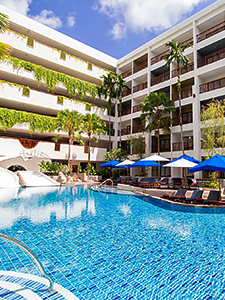
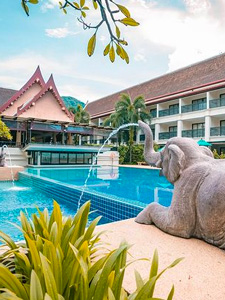
Stay At Deevana Patong Resort & Spa
For travelers interested in turtle conservation experiences, staying at a centrally located resort in Patong Beach provides the perfect base for exploring Phuket. Here’s why staying with us is a great choice:
- Convenient access to transportation for day trips to northern Phuket beaches including Mai Khao, Layan, and Naiyang
- Comfortable rooms ranging from 27 to 55 square meters with options including garden views, Jacuzzi rooms, and suites
- Tropical gardens, swimming pool, and Orientala Spa for relaxation after wildlife excursions
- Ideal for families, couples, and eco-conscious travelers seeking comfort and convenience
- Located just 600 meters from Patong Beach and 10 minutes from dining, shopping, and entertainment at Bangla Road
After a day exploring sea turtle nesting sites in Phuket, guests can return to the resort for spa treatments, poolside relaxation, or dinner at the on-site restaurant. The property offers a peaceful retreat while keeping visitors connected to Phuket’s main attractions and nightlife.
Plan Your Phuket Turtle Adventure Today
Sea turtle nesting season and hatchling releases offer travelers a rare opportunity to connect with Phuket’s natural environment in a meaningful way. By planning your visit during the right months and choosing responsible experiences, you can support conservation efforts while connecting with nature in a way that stays with you. Staying at Deevana Patong Resort & Spa gives you comfort, convenience, and easy access to this unique wildlife adventure. Book your stay and discover the magic of sea turtle nesting in Phuket for yourself.
Frequently Asked Questions
Q: When is sea turtle nesting season in Phuket?
A: Sea turtle nesting season in Phuket runs from November through February. During this time, adult turtles come ashore at night to lay eggs on protected beaches in northern Phuket.
Q: Where are the main sea turtle nesting sites in Phuket?
A: The primary nesting sites are Mai Khao Beach, Layan Beach, and Naiyang Beach. These less-developed beaches in northern Phuket provide ideal conditions for nesting and are monitored by conservation teams.
Q: When can I see baby sea turtles released in Phuket?
A: Hatchling release events typically occur from January through April, depending on when eggs were laid during nesting season. Peak release events happen in March and April, with several organizations hosting public programs.
Q: How much does it cost to participate in a turtle release event?
A: Costs vary by organization. The Mai Khao Marine Turtle Foundation requests an 8,000 THB donation per turtle. Laguna Phuket offers tickets for around 4,000 THB for up to four people. Some events organized by local authorities may be free or require smaller donations.
Q: Can I see turtles nesting at night in Phuket?
A: Viewing nesting turtles is highly restricted to protect the animals. Public access to nesting beaches is often limited, and viewing is only permitted when accompanied by trained conservation staff. Contact local organizations to inquire about guided viewing opportunities.
Q: What types of sea turtles nest in Phuket?
A: Green sea turtles and olive ridley turtles are the most commonly observed species nesting in Phuket. Both species are endangered, and conservation programs work to protect their eggs and ensure hatchlings reach the ocean safely.
References
- Sea Turtle Nesting Season: What, When, and How. (n.d.). Dressel Divers. Retrieved January 22, 2026, from https://www.dresseldivers.com/blog/sea-turtle-nesting-season/