Key Takeaways
- A do-nothing vacation is a rest-first approach to travel that replaces packed itineraries with unstructured relaxation, slow mornings, and intentional downtime.
- Research shows that unstructured rest during vacations can lower cortisol levels, improve mood, and help travelers return home feeling more focused and energized.
- Choosing the right destination and accommodation matters. A warm, tropical setting with on-site dining, garden space, and wellness facilities creates the ideal conditions for slowing down.
- Disconnecting from devices and setting digital boundaries during your trip helps your nervous system shift out of “fight or flight” mode and into genuine recovery.
- Spa treatments like Thai massage and aromatherapy can speed up the transition from daily stress to deep relaxation, making your trip more restorative from day one.
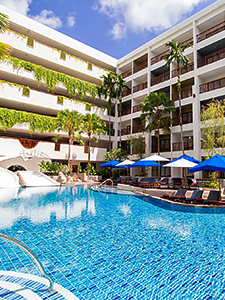
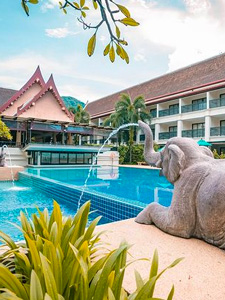
- If you are planning a restful getaway in Phuket, Deevana Patong Resort & Spa is a resort near Patong Beach surrounded by tropical gardens that is well suited for doing nothing on vacation.
Most vacation planning starts with a long checklist: temples to visit, beaches to photograph, restaurants to book, and sunrise hikes to set alarms for. By the time you get home, you need a vacation from your vacation. But a growing number of travelers are flipping that script entirely.
The do-nothing vacation is built around one simple idea: the best thing you can do on your trip is absolutely nothing at all. No alarms, no schedules, no pressure to tick items off a list. Just rest, warmth, and the freedom to follow your mood wherever it goes. And Phuket, with its warm Andaman Sea breezes and laid-back tropical pace, happens to be one of the best places on earth to try it.
At Deevana Patong Resort & Spa, a resort near Patong Beach set within tropical gardens just a 10-minute walk from the shore, that kind of slow, restorative travel is exactly what the property was designed for.
What Is a Do-Nothing Vacation? (And Why You Need One)
Somewhere along the way, vacations turned into endurance events. Social media feeds are full of travelers cramming twelve attractions into a single day, racing between locations, and sleeping four hours a night just to squeeze in one more experience. The problem? That kind of trip leaves you just as drained as the workweek you were trying to escape.
A do-nothing vacation takes the opposite approach. Instead of a rigid itinerary, you build your trip around unstructured time. Sleep in. Spend the morning reading by a pool. Eat a slow lunch. Take a nap. Watch the sky change color from your balcony. There are no reservations to rush to and no sightseeing guilt to manage. The rise of the do-nothing vacation reflects a broader shift in how people think about travel: not as a way to collect experiences, but as a way to restore energy and actually come home feeling better than when you left.
The Wellness Benefits of Doing Nothing
This is not just a feel-good idea. There is real science behind why rest-based travel works. When your body stays in a state of chronic stress, your cortisol levels remain elevated, which affects sleep quality, cognitive function, and emotional regulation over time. A vacation that actually lets you slow down interrupts that cycle at the physiological level.
Research found that vacations can produce measurable reductions in exhaustion and improvements in mood, with physiological benefits including lower cortisol levels and better sleep quality. When we step away from routine, our brains form new neural connections, improve problem-solving ability, and reduce stress hormones. Meanwhile, another study found that digital detox periods during rest improve attention, reduce cognitive overload, and strengthen emotional regulation.
The key ingredient in all of these findings? Unstructured rest. Not a packed agenda with wellness activities stacked back to back, but genuine, open time where your body and mind can recover at their own pace. Doing nothing on vacation is not lazy. It is one of the most effective things you can do for your long-term health.
A Step-by-Step Guide To Planning Your Rest-Based Break
Step 1: Pick a Low-Stimulation, Stress-Free Destination
The right destination does half the work for you. Warm, tropical climates naturally slow your pace. The heat encourages long afternoons by the pool, and the rhythm of island life makes it easier to disconnect from your usual routine. Phuket is ideal because it offers quiet pockets within a well-connected travel hub. You get the convenience of international flights, great food, and reliable infrastructure without the sensory overload of a packed city break.
Step 2: Choose a Resort Made For Slow Days
Your accommodation sets the tone for the entire trip. Look for a property with generous garden space, a pool you can spend hours around, and on-site dining so you never feel forced to leave the grounds. Deevana Patong Resort & Spa is a 4-star resort surrounded by tropical gardens, located only 10 to 15 minutes from Patong Beach. The property features an outdoor swimming pool, an all-day dining restaurant serving Thai and international cuisine, a poolside bar, and a full-service Orientala Spa. Room options range from the Superior Garden Room to the Junior Suite with Jacuzzi, so you can choose the space that suits the length and pace of your stay. Everything you need for a slow, comfortable day is already on-site.
Step 3: Enforce a Strict Digital Detox
This step is non-negotiable if you want real results. Before you leave home, set an out-of-office message, turn off push notifications on your phone, and let colleagues know you will not be reachable. Research found that even short breaks from work devices lead to a significant drop in cortisol and an increase in mental recovery. The goal is not to hate technology. It is to remove the constant low-level alertness that keeps your nervous system in “work mode” even when you are sitting on a beach. Leave your laptop at home, limit social media to a few minutes a day, and give yourself permission to be unreachable.
Blueprint For a Perfect Slow Day: A Sample Itinerary
One of the best parts of the do-nothing vacation is that there is no set schedule. But if you are wondering what a beautifully lazy day actually looks like in practice, here is a quick look to get you started at Deevana Patong Resort & Spa:
- 8:00–9:30 AM: Wake up naturally. No alarm. Head to the resort’s all-day dining restaurant for a slow breakfast of Thai and international dishes. Take your time with a second cup of coffee.
- 10:00 AM–12:00 PM: Find a spot by the outdoor swimming pool. Read, listen to a podcast, or simply watch the palm trees above you. Let yourself drift in and out of whatever feels good.
- 12:30–1:30 PM: Enjoy a poolside lunch with a cold drink from the bar. No need to change or go anywhere.
- 2:00–4:00 PM: Head back to your room for a nap or a long, uninterrupted shower. If you are in a Deluxe with Jacuzzi Room or Junior Suite with Jacuzzi, take advantage of the in-room soak.
- 4:30–6:00 PM: Book a late-afternoon Thai massage or aromatherapy session at Orientala Spa. Let the therapists work through the tension you carried onto the plane.
- 6:30–8:00 PM: Walk the 10 to 15 minutes to Patong Beach for sunset, then stroll back for dinner at the resort or wander to a nearby restaurant. Or stay on the grounds entirely. The choice is yours.
That is it. No museums, no tours, no tuk-tuk negotiations. Just a slow day built around eating well, resting deeply, and being present wherever you happen to be.
Elevating Your Rest With Healing Spa Rituals
If rest is the foundation of a do-nothing vacation, spa treatments are the accelerator. Bodywork helps your muscles release the physical tension of daily life, and traditional Thai wellness practices go further by working on energy flow, circulation, and emotional balance.
Orientala Spa, the spa in Phuket located on-site at Deevana Patong Resort & Spa, has been serving guests for over 16 years. The spa offers a range of individual treatments and curated packages performed by certified, experienced therapists. Some of the most popular options include:
- Thai Massage: A traditional therapy that combines acupressure, assisted stretching, and deep tissue work to improve flexibility and energy flow throughout the body.
- Aroma Oil Massage: Uses essential oils to promote relaxation, ease muscle tension, and support emotional well-being.
- Herbal Compress Therapy: A heated pouch of medicinal Thai herbs is applied to the body to ease soreness, improve circulation, and encourage deep relaxation.
- Best Seller Trio Package: A guest-favorite combination of Thai massage, aroma oil massage, and foot massage designed to relieve built-up stress from head to toe.
- Hot & Herbs Ritual: Combines a warm oil massage with a traditional herbal compress for a session focused on circulation and muscle recovery.
Whether you book a single treatment or a full afternoon package, the spa’s private treatment rooms and calm atmosphere give you the space to completely switch off. For couples, the spa also offers dedicated rooms so you can share the experience together.
Practical Tips To Protect Your “Do Nothing” Time
Even with the right destination and the right resort, doing nothing on vacation can feel surprisingly difficult. Most people are conditioned to fill every hour with activity, and the first day or two of a rest-based trip can trigger what psychologists call “relaxation guilt.” Here are some strategies to push through it:
- Give yourself a two-day adjustment window: Accept that the first 48 hours might feel restless. Your body needs time to downshift from work mode. By day three, the calm will start to feel natural.
- Say no to filler activities: Friends and travel companions may suggest day trips, group tours, or nightlife crawls. Politely decline anything that feels like an obligation rather than genuine interest. Your trip, your pace.
- Keep a loose “anti-itinerary”: Instead of a schedule, write down a short list of things that sound relaxing: a swim, a nap, a spa session, a slow walk to the beach. Pick from the list whenever you feel like it. Skip whatever does not appeal at the moment.
- Eat well and on your own schedule: Skipping the rush to make restaurant reservations is part of the freedom. On-site dining at the resort means you can eat when you are hungry, not when a booking slot dictates.
- Remember the purpose: You are not being unproductive. You are recovering. Rest is the whole point of the trip, and the research backs you up.
Stay Longer and Save With DHR Preferred Guest
A do-nothing vacation works best when you have enough time to truly settle in, and staying a few extra nights makes all the difference. DHR Preferred Guest is a free membership program from Deevana Hotels & Resorts that helps you extend your stay without stretching your budget. Benefits include:
- Up to 25% extra discount on room rates
- Priority access to available rooms
- Late check-out until 16:00 (subject to availability)
- 30% discount on Orientala Spa treatments
- 20% discount on food and beverage at hotel restaurants (excluding alcoholic beverages and special menus)
- 20% discount on laundry service
- Enhanced room upgrade (subject to availability)
- No cancellation penalty for cancellations made at least 1 day in advance
Sign up is free and benefits apply from your very first booking. If you are planning a rest-focused trip to Phuket, joining DHR Preferred Guest before you book means you can upgrade your room, add spa sessions, and enjoy longer stays for less.
Your next vacation does not have to leave you exhausted. At Deevana Patong Resort & Spa, you will find a peaceful tropical garden setting just minutes from Patong Beach, on-site dining, a full-service spa in Phuket, and everything you need to spend your days doing absolutely nothing. Book direct for the best available rates and start planning the most restful trip you have ever taken.

Frequently Asked Questions About Do-Nothing Vacations
Q: Is It Okay To Do Nothing on a Vacation?
A: Absolutely. Research consistently shows that unstructured rest during vacations helps lower cortisol levels, improve mood, and restore cognitive function. Doing nothing on vacation is not wasting time. It is giving your body and mind the recovery they need to function at their best when you return home. Studies published in Cureus and by Cleveland Clinic confirm that the psychological and physiological benefits of rest-based travel are significant and measurable.
Q: How Do I Choose the Right Resort For a Slow Travel Trip?
A: Look for a property that makes it easy to stay on the grounds all day without feeling confined. Key features include a pool, on-site dining, garden or green space, and wellness facilities like a spa. Deevana Patong Resort & Spa checks all of these boxes. The resort offers a tropical garden setting, an outdoor swimming pool, an all-day restaurant, and the full-service Orientala Spa, all within a 10-minute walk of Patong Beach.
Q: What Are the Best Spa Treatments For Stress Relief?
A: Traditional Thai massage is one of the most effective treatments for releasing physical tension and improving energy flow. Aroma oil massage and herbal compress therapy also provide deep relaxation. At Orientala Spa, the Best Seller Trio package (Thai massage, aroma oil massage, and foot massage) is a guest favorite specifically designed to address built-up stress.
Q: What Is a Do-Nothing Vacation and Why Is It Trending?
A: A do-nothing vacation is a style of travel built around unstructured relaxation rather than packed itineraries. Instead of sightseeing and activity-hopping, travelers focus on rest, slow meals, poolside downtime, and wellness treatments. The rise of the do-nothing vacation reflects growing awareness of burnout culture and the science-backed benefits of genuine recovery during time off. More travelers are prioritizing how they feel when they return home over how many attractions they visited.
References
- 1. Maximizing Recovery: The Superiority of Frequent Vacations for Well-Being and Performance. Retrieved July 10, 2026, from: https://pmc.ncbi.nlm.nih.gov/articles/PMC12334972/ 2. Benefits of Going on Vacation. Retrieved July 10, 2026, from: https://health.clevelandclinic.org/benefits-of-going-on-vacation 3. Digital Detox as a Means to Enhance Eudaimonic Well-Being. Retrieved July 10, 2026, from: https://www.frontiersin.org/journals/human-dynamics/articles/10.3389/fhumd.2025.1572587/full 4. Digital Detox Strategies and Mental Health: A Comprehensive Scoping Review. Retrieved July 10, 2026, from: https://pmc.ncbi.nlm.nih.gov/articles/PMC11871965/ 5. How Travel Can Help Reduce Stress and Ease Anxiety and Depression. Retrieved July 10, 2026, from: https://www.webmd.com/mental-health/how-travel-affects-mental-health