Key Takeaways
- Sustainable tourism aims to reduce environmental impact while supporting local communities in Thailand.
- Sustainable tourism and eco‑tourism share similar values, but eco‑tourism focuses on nature‑based activities that directly support conservation.
- Thailand’s Green Tourism Plan 2030 promotes ecosystem protection, plastic reduction, eco‑certified tourism, global sustainability alignment, and community‑based tourism.
- Southern Thailand destinations, like Phuket, Krabi, and Phang Nga, use eco‑tourism to protect ecosystems while empowering local communities.
- Eco‑friendly travelers can support sustainability by choosing green accommodations, joining low‑impact activities, minimizing waste, and supporting local businesses.
- Sustainable activities in Southern Thailand include community-based tours, volunteer programs, cultural workshops, and eco‑friendly outdoor adventures.
- Deevana Hotels & Resorts practices sustainability through plastic reduction programs, climate education, waste segregation, community support, eco‑friendly products, linen‑reuse policies, and greenhouse‑gas reduction goals.
Sustainable tourism is becoming an increasingly popular way of exploring any country, including Thailand. More than a trend, travelers are increasingly aware of the environmental impact of tourism and the effects on local communities, and many seek ways to minimize their impact while still enjoying all that Thailand has to offer.
Demand is rising for “slow travel” where tourists engage in Thai life rather than just sightseeing. Today’s travelers, particularly younger, eco-conscious tourists, are seeking authentic, low-impact activities, and community-driven tourism that offer more immersive, meaningful experiences. They actively choose destinations and businesses that align with values like environmental conservation, ethical animal treatment, and cultural respect.
If you’re planning an eco-conscious trip to Thailand, specifically Phuket, staying at a quality resort and spa near Patong Beach can make a big difference. Select a resort with comfortable accommodations and facilities that promote environmentally friendly practices.
Let’s discuss what sustainable travel means and how to enjoy eco-tourism in Thailand.
What is Sustainable Tourism?
Sustainable tourism aims to balance travel enjoyment with environmental protection and community well-being. It focuses on preserving Thailand’s natural resources while ensuring local people benefit economically and socially. It encourages travelers to protect natural spaces, respect local culture, and ensure that tourism benefits residents long-term. In Thailand, this approach helps preserve beaches, forests, wildlife habitats, and cultural traditions.
Sustainable Tourism Vs. Eco-tourism
While these two terms overlap, they focus on different aspects of tourism with different priorities. Sustainable tourism is a broad term encompassing all types of travel that incorporate responsible practices. Meanwhile, eco-tourism is more about nature-based travel that directly supports conservation and local community development. Both play an important role in protecting and conserving Thailand’s natural beauty.
The Goals of Thailand’s Green Tourism Initiatives
The Thailand Green Tourism Plan 2030, launched by the Tourism Authority of Thailand (TAT), aims to transform the tourism industry into one that’s sustainable in environmental, social, and economic aspects. The country’s “Bio-Circular-Green” (BCG) model is a key driver for eco-friendly development in tourism, promoting low-impact travel through eco-certified operators, renewable energy in hotels, and community tourism programs.
The plan outlines clear sustainability targets, including:
- Ecosystem protection: With coral reefs, mangroves, forests, and wildlife in need of protection, the plan promotes reef-safe tourism, responsible camping, and seasonal closures of over-visited islands and nature parks.
- Plastic waste reduction: Many provinces are adopting the “no foam, no plastic” policy in national parks and for marine tour operators to reduce plastic waste.
- Eco-certified tourism: Businesses, including hotels, resorts, and operators, are encouraged to apply for the “Thailand Good Travel” certification, which serves as a quality mark of compliance with sustainable tourism standards, to help travelers make eco-friendly choices.
- International alignment: The plan aligns with the criteria of the Global Sustainable Tourism (GSTC) and related international frameworks to ensure Thai businesses can compete globally.
- Community-based tourism: The plan strongly encourages and supports local communities through homestays, local tour guides, and village cultural experiences where tourism income supports conservation and cultural preservation.
Top Eco-Tourism Destinations in Thailand
- Northern Thailand: Destinations like Chiang Mai and Chiang Rai offer immersive community-based trekking experiences. Travelers can hike through hill tribe villages with licensed local guides, gaining insight into traditional lifestyles while directly supporting community-run tourism projects that prioritise sustainability and cultural preservation.
- Southern Thailand: Home to world-renowned destinations, such as Phuket, Krabi, Phang Nga, and the islands of Similan, Koh Lanta, and Koh Phi Phi. With growing tourism, these areas along Thailand’s Andaman Coast face environmental sustainability challenges. Eco-tourism offers a way to balance tourism growth with conservation by helping to protect local ecosystems while empowering communities. Eco-conscious tourists can visit national parks and coral restoration projects in the Andaman Sea and choose ethical snorkeling or diving tours that protect marine ecosystems.
- Central & Northeastern Thailand: Has expansive national parks such as Khao Yai and Kaeng Krachan. These biodiverse regions offer birdwatching, scenic nature trails, and sustainable eco-lodge stays, ideal for nature lovers seeking wildlife experiences that minimise environmental impact. Thailand also boasts hidden gems in upper northern and northeastern provinces like Nan and Loei. These regions are developing a quiet reputation for boutique eco-resorts that embrace sustainable architecture, support local agriculture, and foster soft adventure activities such as cycling, hiking, and nature observation in serene, off-the-beaten-path surroundings.
How Travelers Can Support Eco-tourism in Thailand
Many resorts, tour operators, and attractions now cater to eco-conscious travelers. For visitors to Southern Thailand, supporting sustainable tourism means:
Choose Eco-Friendly Accommodation
- Select hotels that follow sustainable practices and are certified under the Thailand Good Travel mark
- Support accommodation that uses green energy or reduces water usage
- Look for staff-led sustainability training and community involvement
Choose Low-Impact Activities
- Support activities run by local communities, such as nature hikes, sea kayaking, and longtail boat tours led by local tour guides
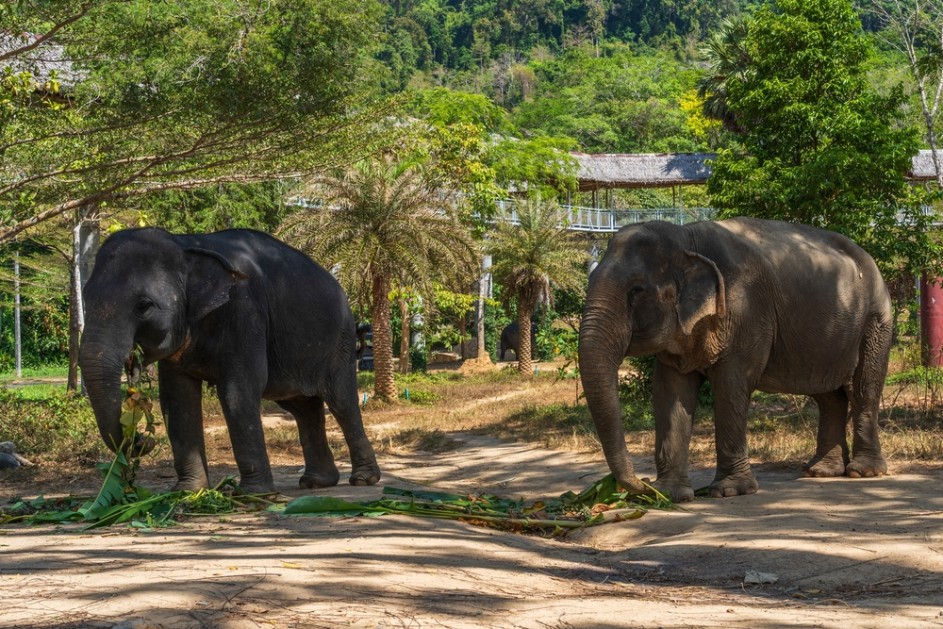
- Choose ethical animal experiences that offer educational programs about nature and wildlife, focusing on rescue and rehabilitation
Minimize Environmental Impact
- Bring a reusable water bottle during your travels and avoid single-use plastics
- Conserve water and electricity in your hotel room
- Walk, cycle, or use shared transportation when possible
Support Local Economies
- Eat at local restaurants, especially those that practice sustainable food sourcing
- Shop at community markets and buy handcrafted goods made by local artisans
- Book community-based excursions where your spending directly benefits residents
Sustainable Activities You Can Do
- Volunteer opportunities: Some organizations offer short-term programs, such as mangrove planting, beach cleanups, or reef conservation, allowing travelers to contribute meaningfully while learning about local ecosystems.
- Cultural immersion: Experience the local traditions and heritage by joining Thai cooking classes, handicraft workshops, and organic farming programs, which also support local families.
- Outdoor adventures: Opt for eco-friendly tours that adhere to environmental guidelines, such as responsible snorkeling, diving, kayaking, or trekking trips that promote conservation and education about the ecosystem.
A Sustainable Place to Stay
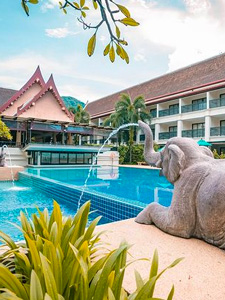
Deevana Patong Resort & Spa offers a peaceful retreat minutes away from the world-renowned Patong Beach. Our hotel’s commitment to eco-friendly practices aligns with the needs of eco-conscious travelers seeking to support sustainable tourism.
Our resort continues to expand our environmental efforts through initiatives that support sustainability, including:
- Reducing plastic consumption by encouraging guests and employees to use their own containers when purchasing food or beverages, supported by a discount incentive.
- Providing staff education on climate change and the impacts of global warming to promote awareness and responsible behavior.
- Implementing strict waste-segregation practices.
- Supporting community initiatives, such as donating used towels to the Soi Dog Foundation and participating in mangrove-planting activities.
- Converting vegetable and fruit scraps into fermented microbial water for sustainable reuse.
- Utilizing organic cleaning products wherever feasible.
- Changing bed linens and towels every 3 days, or upon guest request, to reduce water and energy consumption.
- Setting an organizational target to reduce greenhouse gas emissions by 5% by the year 2026.
For travelers seeking to explore Phuket and Krabi, unwind in nature, or indulge in a wellness-focused escape, Deevana Hotels & Resorts offer comfort while promoting responsible eco-tourism practices in Thailand.
Start planning your eco-friendly vacation in southern Thailand and book a stay with us.
Frequently Asked Questions
What is the main goal of sustainable tourism in Thailand?
The main goal of Thailand’s sustainable tourism plan is to balance tourism growth with environmental conservation and the well-being of local communities, ensuring long-term benefits for both visitors and residents.
What is an example of an eco-tourism activity in Thailand?
There are various eco-tourism activities available throughout Thailand, such as joining a community-based trek in a hill tribe village or taking part in a coral restoration program in the Andaman Sea allow you to experience authentic culture while directly supporting local livelihoods.
How do I find eco-friendly hotels in Thailand?
Look for recognized green certifications, eco-friendly operations, and active support for local employment — like Deevana Hotels & Resorts, which combines sustainability with comfort.
How can I reduce plastic use while traveling in Thailand?
You can help reduce plastic waste by carrying a reusable bottle, refusing single-use plastics and plastic straws by saying “Mai ao lod” (I don’t want a straw), and using refilling stations available in many hotels and cafés.
Is it ethical to visit elephant sanctuaries in Thailand?
Yes, if you choose reputable sanctuaries that prohibit riding or performances and focus on rehabilitation and education.
References
- Thailand Launches Green Tourism Plan 2030 to Propel Destination Into the World’s Top 100. Retrieved on 19 November 2025 from https://www.nationthailand.com/news/tourism/40054966
- Thailand Unites to Drive Sustainable Tourism Goals Towards 2030. Retrieved on 19 November 2025 from https://www.tatnews.org/2025/07/thailand-unites-to-drive-sustainable-tourism-goals-towards-2030/