Key Takeaway
5 Top Ethical Elephant Sanctuaries In Phuket
- Phuket Elephant Sanctuary
- Hidden Forest Elephant Reserve
- Bukit Elephant Park
- Elephant Jungle Sanctuary
- Phuket Elephant Nature Reserve
Why Choose Ethical Elephant Sanctuaries
- Protects elephants from abuse and exploitation
- Supports rescued elephants’ rehabilitation and care
- Allows natural elephant behavior without stress
- Educates visitors about elephant welfare
- Funds medical care and habitat restoration
- Promotes responsible and sustainable tourism
- Creates meaningful connections without causing harm
- Helps end cruel training practices like “the crush”
The question “can you ride elephants in Thailand” is still a popular one in travel forums and hotel lobbies across Phuket. But the answer isn’t as simple as it once was. If you’re settling into your Patong beach resort and planning your island adventures, here’s what you need to know: Thailand’s relationship with elephants is changing, and it’s changing for the better.
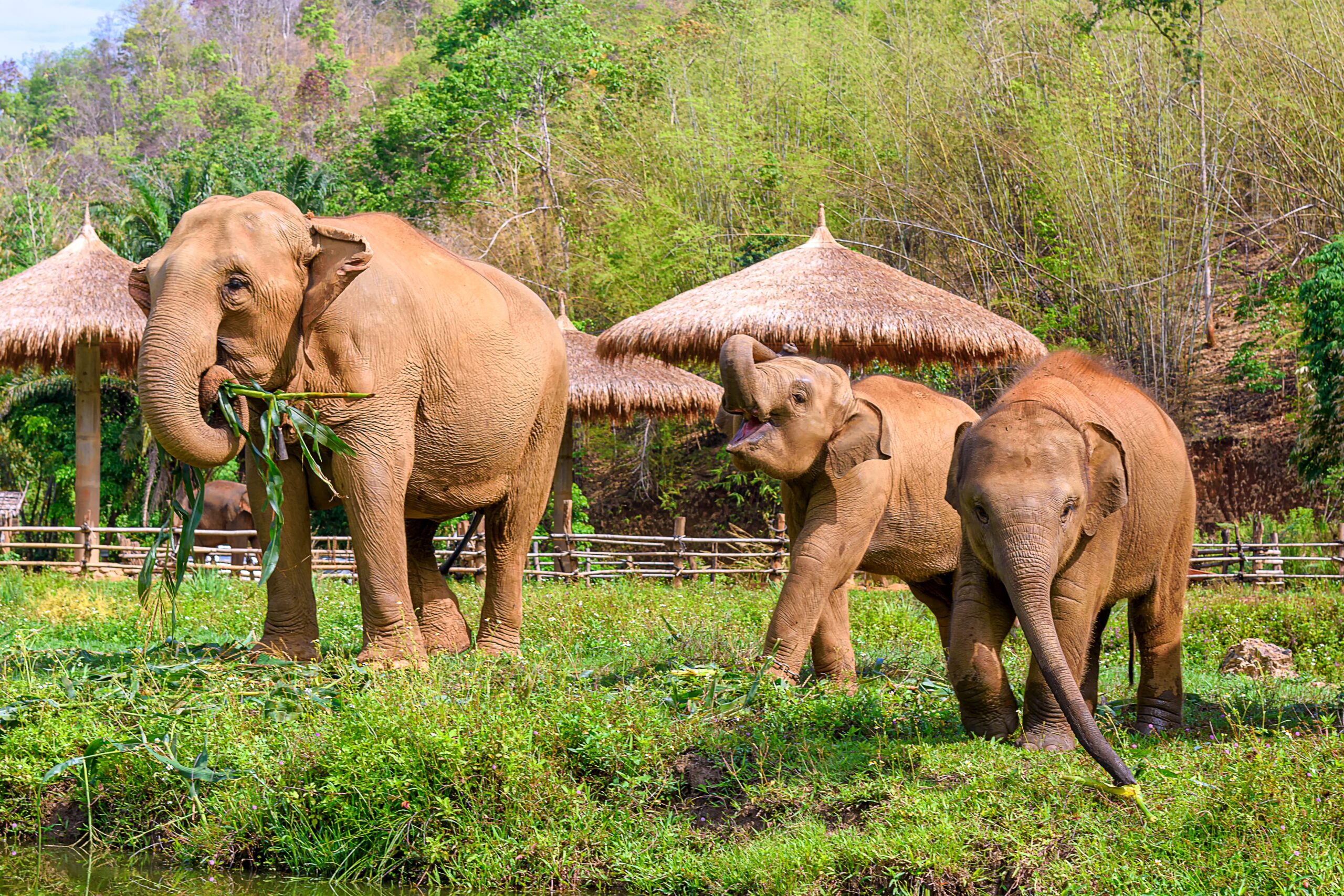
These magnificent creatures have long been national symbols of wisdom, strength, and peace. Yet for decades, many elephants in Phuket endured exploitation in logging camps and tourism industries. The good news? Thailand has embraced a powerful shift toward responsible tourism, encouraging visits to ethical sanctuaries where elephants are protected, respected, and free from abuse. These sanctuaries offer travelers an authentic chance to connect with elephants while supporting their long-term welfare.
The Truth About Riding and Trekking
Global awareness has transformed how we interact with elephants. The once-common practice of elephant riding in Phuket has declined as travelers learned the painful truth behind the experience. Understanding what “ethical” truly means is essential: it prioritizes welfare, freedom, and natural behavior above entertainment.
Elephant trekking in Phuket and elephant riding cause serious harm. An elephant’s spine isn’t designed to carry human weight or heavy riding platforms called howdahs. The training process, known as “the crush” or Phajaan, involves breaking an elephant’s spirit through fear and pain. Elephant trekking also inflicts physical strain, leading to chronic injuries, psychological trauma, and shortened lifespans.
So if you are asking, “where can I ride an elephant?” The short answer is: you shouldn’t. But there’s a better question to ask: where can I experience elephants ethically?
Your Guide to Ethical Elephant Sanctuaries in Phuket
Phuket is home to several leading sanctuaries focused on rehabilitation, education, and protection. Each offers visitors a humane and memorable way to observe these gentle giants in their natural environment.
Phuket Elephant Sanctuary
Location: https://maps.app.goo.gl/6vPiuJMjG16gczbV6
The island’s first ethical sanctuary, Phuket Elephant Sanctuary, set the standard for responsible elephant tourism. Sprawling across 30 acres of lush tropical jungle bordering Khao Prae Teao National Park, this sanctuary provides a permanent home for rescued elephants who spent years in elephant riding camps and circuses. Visitors observe elephants roaming freely, feeding naturally, and bathing without human interference. The sanctuary maintains a strict no-riding, no-bathing, no-performance policy. Each elephant has a rescue story, from Tong Kwaw who worked two decades in riding camps to Jan Jao who bears visible scars from her tourism industry past. The experience includes walking through Thailand’s longest canopy walkway and enjoying a vegetarian Thai lunch while watching elephants socialize below.
Hidden Forest Elephant Reserve
Location: https://maps.app.goo.gl/11JfHN2MT5G7SNfSA
Nestled in southern Phuket’s hills, Hidden Forest epitomizes observation-only elephant tourism. Founded by Louise Rogerson in 2016, this breathtaking sanctuary was Phuket’s first to implement a no-bathing policy. Eight female elephants rescued from the elephant riding tourism industry in Phuket now roam freely through forest paths, streams, and muddy wallows. After the introductory video, visitors walk through bamboo observation huts dotted along scenic trails, sitting quietly as elephants go about their day. The sanctuary deliberately keeps visitor numbers low to minimize stress. You’ll hear birdsong and watch eagles soar overhead while elephants bathe independently in natural ponds – exactly as they would in the wild.
Bukit Elephant Park
Location: https://maps.app.goo.gl/x5F3QE6KjtZ8kFjg8
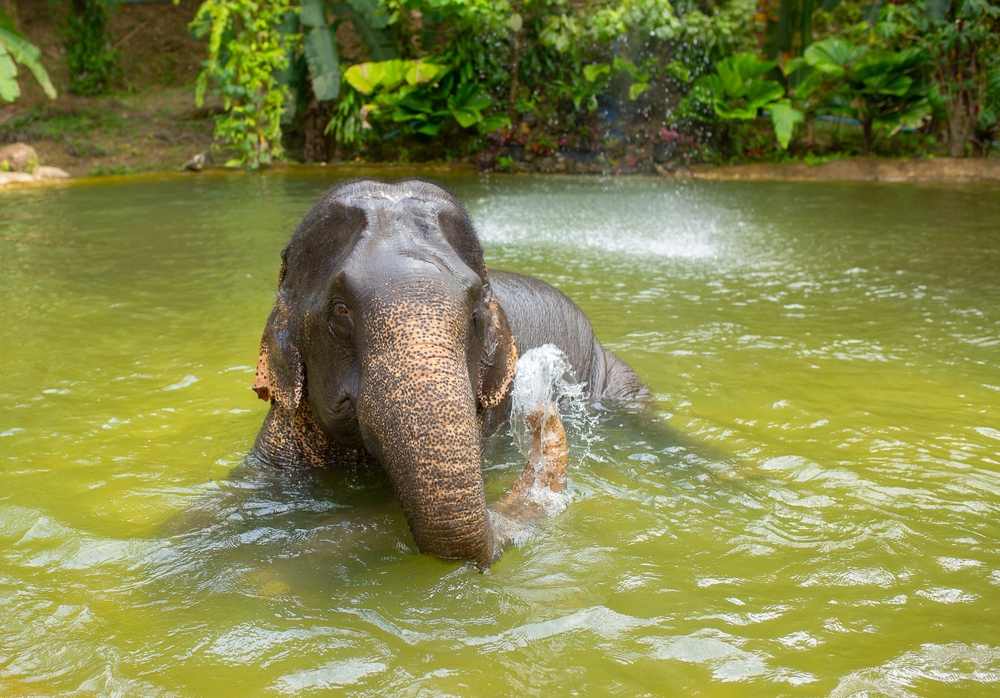
Located beside the picturesque Khlong Kata Reservoir, Bukit Elephant Park specializes in caring for disabled female elephants. Six rescued elephants with conditions like poor vision, missing teeth, or joint injuries have found sanctuary here. The park operates under a strict no-riding and no-bathing policy, running only three tours daily to prevent overwhelming the elephants. Visitors feed elephants under mahout supervision, walk alongside them through grassy fields and streams, and watch them bathe naturally in the reservoir. The experience includes rubber tapping demonstrations, Thai cooking classes, and coconut milk preparation, offering a holistic look at Thai culture alongside ethical elephant interaction.
Elephant Jungle Sanctuary
Location: https://maps.app.goo.gl/TtKJ8yfewD98LmiU8
Please note: While this sanctuary does not offer riding, it does provide bathing experiences under professional supervision with elephants. Some animal welfare experts caution that bathing programs can cause stress and are not considered fully ethical, as they restrict elephants’ natural behaviors. Consider this when making your decision.
With three branches across Phuket (Kathu, Thalang, and Bangtao), Elephant Jungle Sanctuary has rescued elephants from the logging and tourism industries throughout Thailand. The sanctuary offers feeding programs and educational experiences about elephant behavior. Their popularity means larger group sizes compared to observation-only sanctuaries.
Phuket Elephant Nature Reserve
Location: https://maps.app.goo.gl/tp9vw9v348ZNhTMm6
Founded in 2019, Phuket Elephant Nature Reserve (PENR) delivers award-winning ethical experiences with a hands-off approach. Located on 30 rai of jungle land near west Phuket’s beaches, this accredited sanctuary is home to four rescued elephants: Lotus, Bow, Thonglor, and Nong Tang. PENR maintains 100% no riding, no bathing, and no bullhook policies. The sanctuary has earned recognition from World Animal Protection (Thailand) and won the Elephant Sanctuary of the Year 2023 award. Visitors prepare vitamin balls for elephants, learn about their specialized diets, and enjoy Thai cooking demonstrations at the on-site Ban Chang Restaurant.
What to Expect During Your Visit
At truly ethical sanctuaries, you’ll:
- Feed and observe elephants under professional supervision – no riding, chains, or tricks
- Learn rescue stories and daily routines from knowledgeable caretakers
- Enjoy authentic Thai lunches prepared on-site
- Participate in meaningful activities like making herbal medicine balls or preparing fruit baskets
- Understand how your entry fees directly fund food, medical care, and forest restoration
Choosing a Responsible Elephant Experience
Before booking, keep these guidelines in mind:
- Avoid venues offering riding, tricks, or staged photo sessions
- Be cautious of mud baths or bathing experiences – these can cause stress and aren’t considered fully ethical
- Opt for no-touch or minimal-interaction policies (feeding or light petting only under guidance)
- Ask about rescue efforts, living conditions, and welfare commitments before booking
- Look for education-focused sanctuaries committed to conservation and long-term elephant care
The days of elephant trekking Phuket camps that exploit these animals are ending. By choosing observation-based sanctuaries over elephant trekking operations, you’re voting with your wallet for a more compassionate future.
Where to Stay in Patong
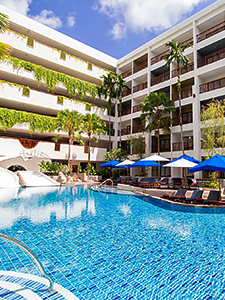
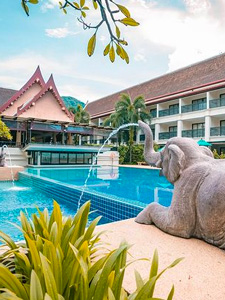
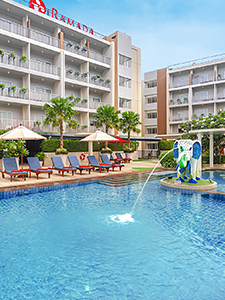
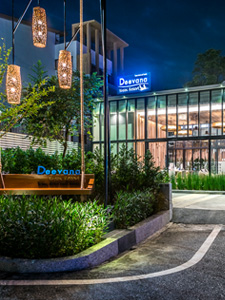
Deevana Patong Resort & Spa offers an ideal base for exploring Phuket’s ethical elephant sanctuaries. Centrally located just a five-minute walk from Patong Beach, our 4-star resort features elegantly styled rooms surrounded by lush tropical gardens and relaxing swimming pools. The Orientala Spa provides traditional Thai massages and rejuvenating treatments – perfect for unwinding after your sanctuary visit.
With all-day dining serving Thai and international cuisine, a poolside bar, and proximity to Bangla Road’s entertainment, Deevana balances convenience with peaceful retreat. Our resort’s SHA Plus certification and family-friendly amenities make it suitable for couples, families, and solo travelers seeking comfortable accommodation within easy reach of Phuket’s key attractions and ethical wildlife experiences.
Make Every Encounter Count
Experience Thailand’s elephants the ethical way – choose sanctuaries that protect rather than exploit. Plan your stay at Deevana Patong Resort & Spa and explore Phuket’s leading elephant sanctuaries to support sustainable, compassionate tourism that gives these magnificent animals the respect and freedom they deserve.
Frequently Asked Questions
Q1: Can you ride elephants in Thailand?
A: While some camps still offer elephant riding, it is widely condemned by animal welfare organizations and the responsible travel community. The top-ranking and most reputable elephant attractions in Thailand, particularly in Phuket, are now sanctuaries that have a strict “no riding” policy.
Q2: Why is riding elephants considered bad?
A: The process of making elephants submit to being ridden involves a cruel training method known as “the crush” (Phajaan). Furthermore, an elephant’s spine is not designed to carry the weight of people and the heavy chairs (howdahs) used for elephant trekking, leading to long-term pain and injury.
Q3: What is a better alternative to elephant riding?
A: Visiting a genuine ethical sanctuary is the best alternative. At these places, you can interact with elephants in a natural and humane way, such as feeding them, walking with them, and observing them bathe naturally in water, all without causing them harm.
Q4: Where can I have an ethical elephant experience in Phuket?
A: Phuket is home to several highly regarded ethical elephant sanctuaries. The most respected include Phuket Elephant Sanctuary, Phuket Elephant Nature Reserve, Hidden Forest Elephant Reserve, and Bukit Elephant Park, all of which prioritize the well-being of their rescued elephants.
Q5: How do I know if an elephant sanctuary is truly ethical?
A: A truly ethical sanctuary will not offer or allow riding, circus-like tricks, or shows. They will not use bullhooks to control the elephants. Their focus will be on observation, education, and allowing the elephants to behave as naturally as possible in a large, well-maintained environment.
References:
- Phuket Elephant Nature Reserve. (n.d.). A guide to Phuket’s most ethical elephant sanctuary. Retrieved October 20, 2025, from https://phuketelephantnaturereserve.com/guide-to-phukets-most-ethical-elephant-sanctuary/
- Jamie’s Phuket Blog. (2017, October). Visiting the Phuket Elephant Sanctuary. Retrieved October 20, 2025, from https://www.jamiesphuketblog.com/2017/10/visiting-phuket-elephant-sanctuary.html
- Curly Travels. (n.d.). Swimming with dolphins? No — with elephants: ethical elephant experience in Phuket, Thailand. Retrieved October 20, 2025, from https://curlytravels.com/post/swimming-with-dolphins-no-with-elephants-ethical-elephant-experience-in-phuket-thailand